AGP Executive Report
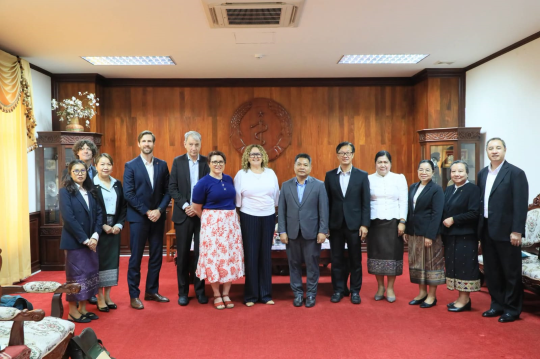
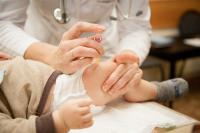
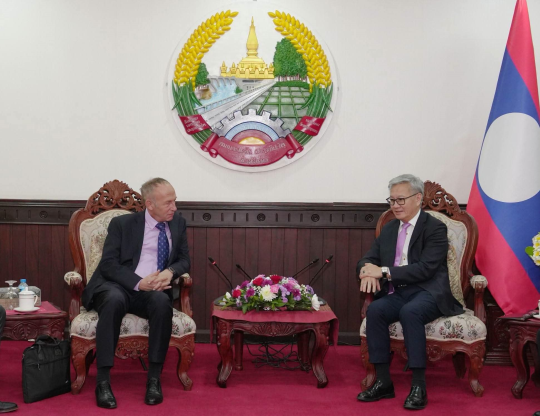
Last update: 2 hours agoHealth Partnerships: Lao Deputy Health Minister Vannasay Satthakoun met ASSEA and Union Aid Abroad–APHEDA representatives in Vientiane to discuss a proposed health project. The ministry also sought support for sharing findings on health impacts linked to asbestos use, with a meeting scheduled for Oct. 28. Child Health: Australia has delivered more than 100,000 vaccine doses to protect Lao children and girls, while the government and UNICEF reaffirmed their commitment to giving children a healthy start. Cross-Border Care: Vietnamese doctors are treating hundreds of Lao patients each year at Muong Lat General Hospital; some travel up to 200 kilometres, reflecting gaps in equipment and specialist care closer to home. Children’s Healthcare: A record 3,000 runners joined Luang Prabang’s half marathon, raising support for Lao Friends Hospital for Children, which provides free care regardless of families’ ability to pay.
Note: AI summary from news headlines; neutral sources weighted more to help reduce bias in the result. Feedback is welcome. Please let us know if you have any comments or suggestions about the AGP Executive Report.



 Perspectify News